Best Cinematography Techniques Using a Drone
Best Cinematography Techniques Using a Drone
Drones and Aerial Photography
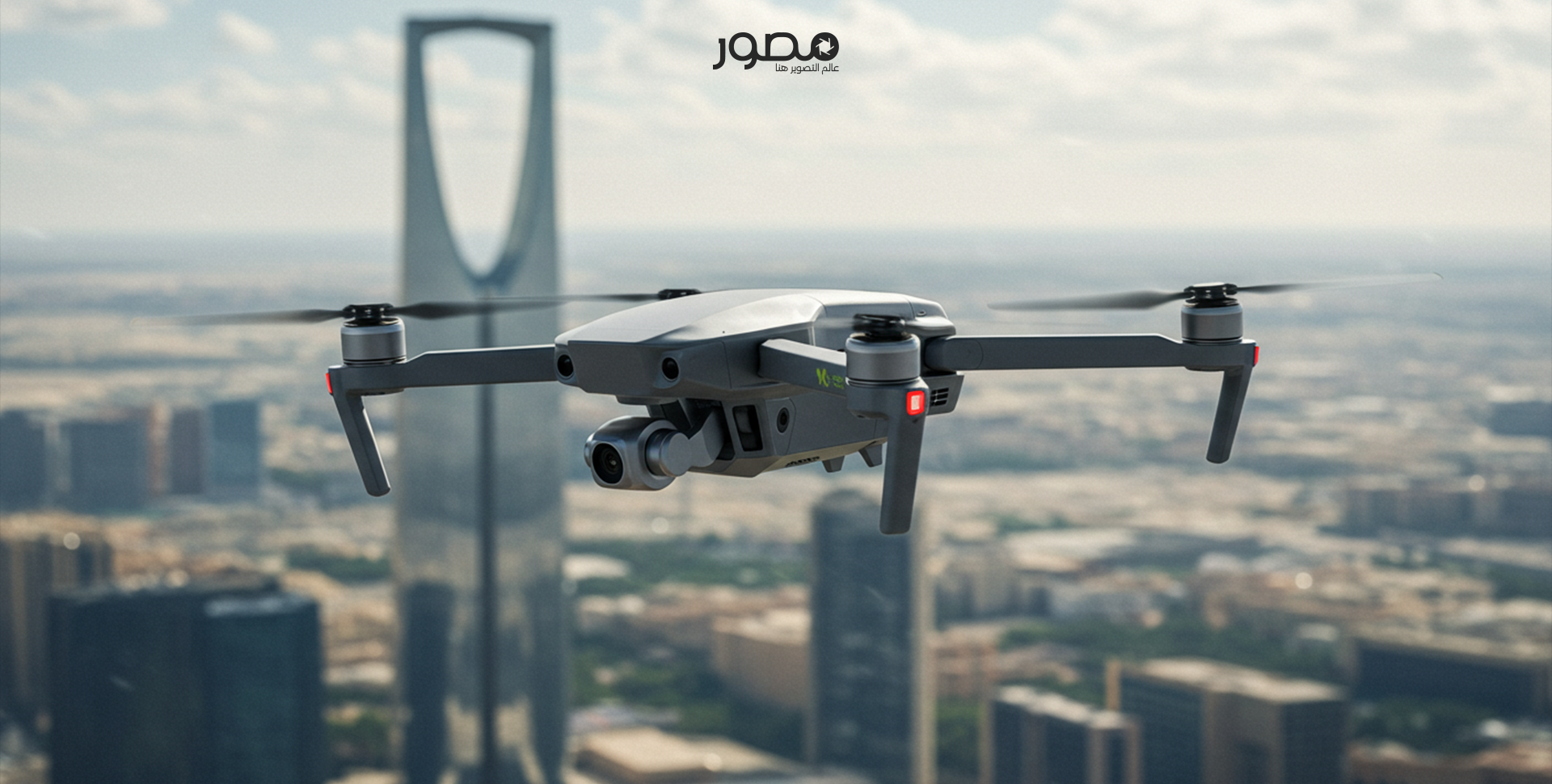
The visual production sector in Saudi Arabia has witnessed a massive transformation; drones have truly revolutionized cinematography. Obtaining stunning aerial shots is no longer exclusive to massive budgets; instead, this technology is opening exceptional visual horizons.
What is a Drone in Photography?
This term refers to relying on a smart, remote-controlled drone equipped with ultra-high-definition cameras to capture artistic aerial scenes that serve the dramatic and visual narrative, transforming into an essential production pillar in:
1- Cinema and Drama: To create epic frames that reflect the scale of production.
2- Advertising Campaigns: To deliver innovative and engaging visual angles.
3- Documentaries: To capture nature and live scenes with utmost precision.
4- Urban Projects: To document vast spaces and the progress of achievements on the ground.
Best Cinematography Techniques Using a Drone
To achieve stunning cinematic results, a professional photographer relies on a mix of skill and smart drone movements. Here are the top 6 techniques used:
Tracking Shots:
Following the movement of people or cars with complete fluidity, increasing the excitement of the scene.
Reveal Shots:
The camera starts with a narrow shot, then rises and moves to suddenly reveal the overall beauty of the location.
Vertical Rise:
Ascending straight up with the drone to showcase the grandeur of the place and compare the size of objects to it.
Orbiting Shot:
Circularly revolving around a specific subject to highlight it from all angles in a dramatic way.
Aerial Hyperlapse:
Combining fast photography (Time-lapse) with the dynamic movement of the drone to document the movement of time and space.
Free Manual Control:
Moving away from automated, programmed patterns and steering the drone manually to create unexpected angles.
Comparison Between Drone Types Suitable for Professional Photography
Your choice of the right equipment determines the quality of the final product. The following table provides a quick comparison between the most used categories in the market:
| Drone Model | Camera Quality & Resolution | Professional Color Profile Support | Suitable Use |
| DJI Inspire 3 | Up to 8K Cinematic | Apple ProRes RAW / CinemaDNG | Huge productions and international films |
| DJI Mavic 3 Cine | High 5,1K Resolution | Apple ProRes 422 HQ / D-Log | Commercials, documentaries, and medium projects |
| Small Drones (Mini) | Standard 4K Resolution | Mostly does not support advanced profiles | Beginners and social media content creators |
Drone Shots in Numbers: Cost and Market Usage Rates
Aerial shots have become a major part of modern production budgets due to their direct impact on audience engagement:
1- Market Usage Rate: Visual production statistics indicate that more than 75% of modern commercials for real estate and tourism projects rely on a drone as an essential element.
2- Daily Cost Rate: The cost of renting a professional drone with a licensed operator in the Arab market ranges between 1,875 to 9,375 Saudi Riyals per day.
3- Factors Affecting Price: The cost varies based on the type of drone used (such as cinematic Inspire series compared to Mavic) and the complexity of the permits required for the site.
Common Mistakes to Avoid During Aerial Photography
To avoid technical problems and ensure the safety of your project, here are the most prominent mistakes you should avoid when operating a drone:
1- Flying in bad weather conditions: Such as strong winds or heavy dust that threaten the stability of the drone.
2- Total reliance on automated flight: Which causes the loss of the artistic and creative manual touch of the scene.
3- Neglecting camera settings adjustment before takeoff: Such as shutter speed and white balance.
4- Ignoring local regulations: Or flying in restricted areas without obtaining prior permission and permit.
The Impact of Aerial Shots on the Viewer's Experience
The role of the aerial perspective via a drone is not limited to aesthetics only, but extends to form a powerful tool in visual storytelling through:
1- Enhancing Geographical Perception: It gives the viewer a comprehensive understanding of spaces, terrains, and dimensions of the place, which clearly appears in documentary series like National Geographic and Planet Earth.
2- Adding Thrilling and Epic Dimensions: Overhead shots raise the pace of excitement in action and fast chase scenes, exactly as it was utilized in the movie Skyfall.
3- Embodying the Scale of Events: It contributes to highlighting the grandeur of battles and the visual expanse of the surroundings, placing the viewer at the heart of the dramatic experience as in the Game of Thrones series.
Essential Steps to Raise Cinematic Scene Quality
To ensure delivering professional frames that catch the eye, here are the most important tips and kinetic guidelines when shooting using a drone:
1- Master Flight First: Smooth control of the aircraft in the sky is the secret to a scene free of vibrations.
2- Use Digital Simulators: To practice complex movements and reduce the accident rate.
3- Exploit Golden Hours: Shooting at sunrise or sunset gives you long shadows and warm lighting that increase the drama of the scene.
4- Diversify Angles: Do not rely only on the direct vertical top-down perspective at a 90-degree angle, but mix between tilted and horizontal shots to enrich the visual experience and give the scene dramatic depth.
Is Drone Photography Allowed in Saudi Arabia?
Yes, drone photography is allowed in Saudi Arabia under GACA regulations to ensure safety and privacy:
1- Drone Registration: The drone must be officially registered via the "Drones" platform belonging to the Authority.
2- Issuing Permits: Commitment to obtaining a flight permit before every shooting operation, especially in major cities or near vital sites.
3- Commercial Licenses: Obtaining a commercial or media operator license is required if the purpose of photography is profit or artistic production.
4- Respecting Privacy: It is strictly forbidden to photograph over private properties or residential complexes without explicit approval.
How to Choose the Team and the Right Drone for Your Project?
Cinematic aerial shot success depends on coordinating the pilot's skill and artistic vision, achievable through three main pillars:
1- Determining Camera Type: Cinematic films need huge drones that support professional lenses, while light drones are sufficient for digital content and quick documentation.
2- Artistic Sense of the Operator: A drone pilot must possess a deep understanding of visual composition rules and lighting movement, not just the skill of steering the aircraft.
3- Prior Site Inspection: Studying the terrain, wind direction, and sun movement ensures exploiting battery time and capturing the perfect shot with minimal effort.
Conclusion
Cinematography using a drone is an advanced tool giving films and commercials distinct aesthetic and narrative dimensions. For best results in Saudi Arabia, integrate professional flight techniques with expert operators, while carefully following updated regulations to ensure a completely safe and legal shoot.